

The complete legal responsibility of the safety of vessels on US waters (Great Lakes freighters and Florida bay boats) lies with the vessel operators under the Coast Guard Title 46 CFR and state boating regulations. 100% of neglect kills annually, 90% of basics avoids 90% mishaps, up to 10K fines, suspension of license. The lakes, rivers, oceans require the same watch.
Maintain Situational Awareness Constantly
Scan 360 degree at 10 seconds- spot swimmers, kayaks, debris in advance. Visibility adjustment; at night, when visibility is low, operators under Rule 19 COLREGS reduce speed to idle. VHF radio Channel 16 distress; no-wake areas (100-200 ft shoreline) required in marinas, harbors. Alcohol zero-tolerance- 0.08 BAC= DUI arrests in the country.
Carry Mandatory Safety Gear
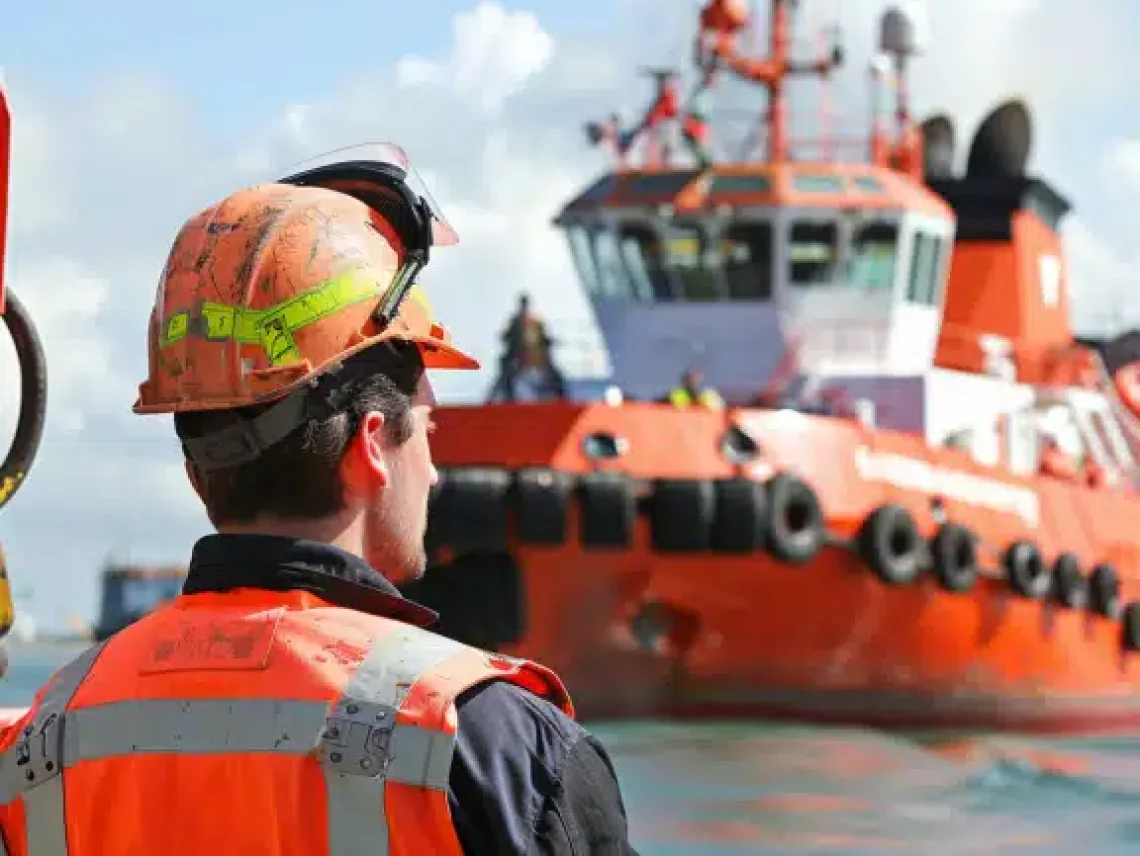
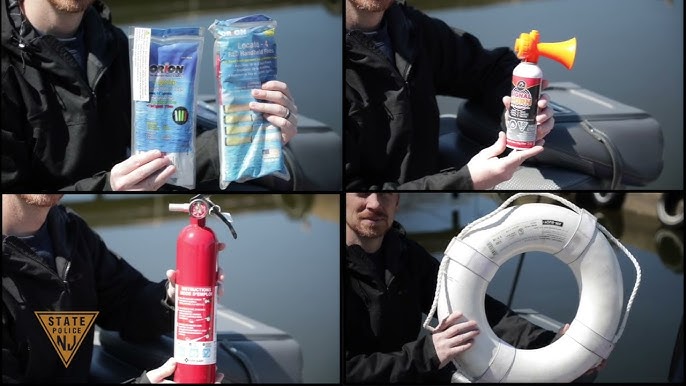
Life jackets (USCG-approved, Type I-III) of all souls on board, including children younger than 13, are to be on the open decks at all times. Throwable Type IV cushions, B-I/II (inboard) fire extinguishers, visual distress signals (3 day/night flares, flag). Sound devices: whistle/horn (vessels less than 40 ft. long) dusk-to-dawn red/green sidelights, white stern/masthead.
Follow Navigation Rules Precisely
Hierarchy of rights-of-way: power to sail, to commercial. Take over port-to-port 500 ft minimum. Sound signals: one blast head on, two short starboard pass. Diamonds are made out of limited maneuverability, and anchored vessels are seen to bear white all-round light. There is a difference between Inland vs International COLREGs -Great Lakes adhere to 14 day rule copies aboard with more than 39 ft.
File Floats and Report Accidents
Register/state number (3″ block letter); register federally above 5GT. Damage, injury or death totaling above 2K will result in a 48-hour Coast Guard Form 8500 report – names, times, coordinates, precise. State-specific boating safety certificates are mandatory in 36 states on motors exceeding 10hp; NASBLA on-line courses are renewed after every 5 years.
Inspect Vessel Pre-Launch Religiously
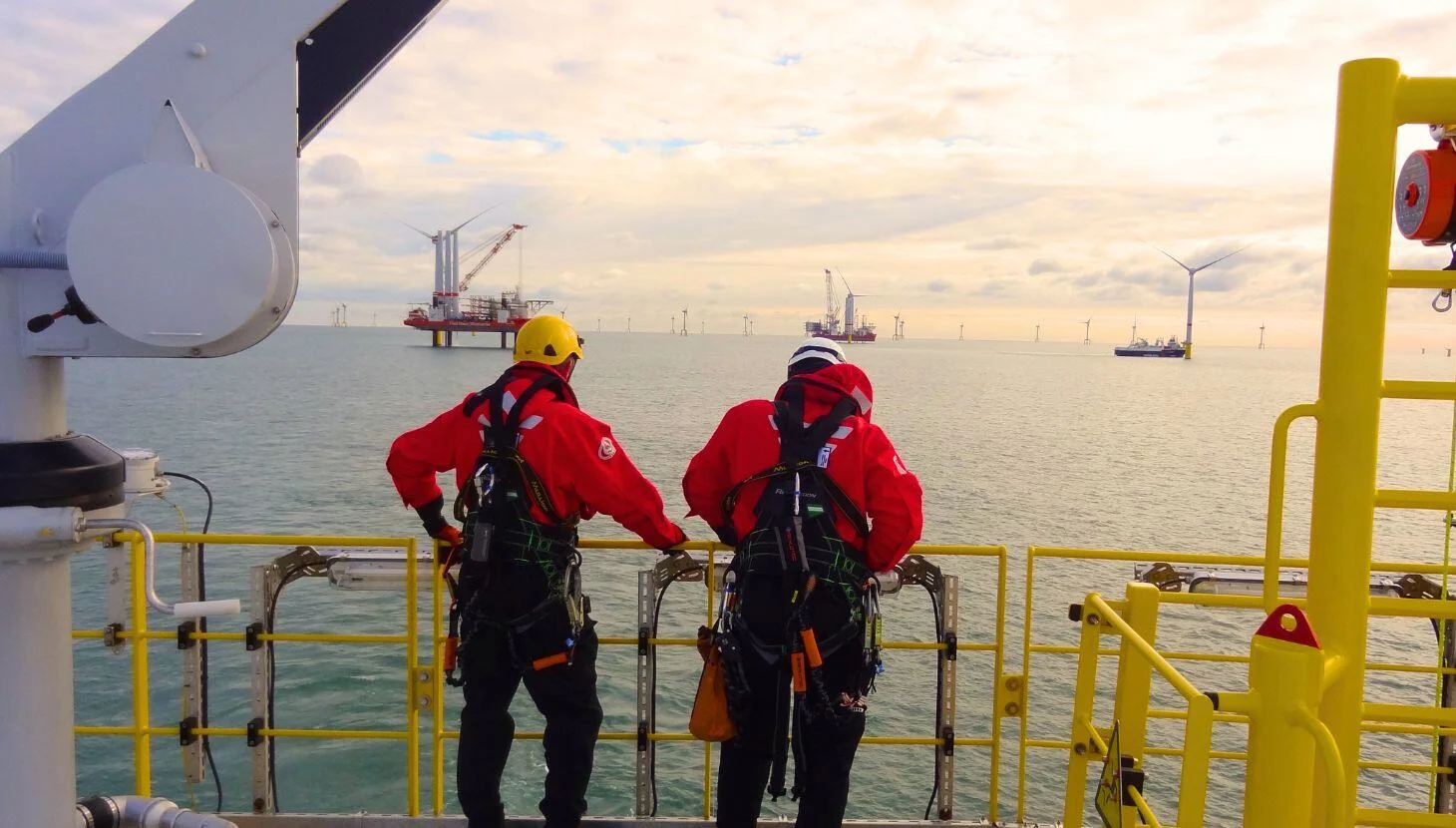
Hull integrity, bilge pumps work, no leaks in fuel lines- sparkless 72 octane max ethanol. EPIRB/PLBs approved offshore; AIS transponders on 65ft+ ft commercials. Capacity plate (people x 150 lbs + equipment); stability tests smooth vs rough. Thunderstorms stop activities 100 plus lightning strikes a year.
Passenger and Crew Management
Short all handers: life jackets, man-overboard exercises, abandon ship points. No overloading- stability switches kill through swamping. Ban swimming around props; tie up skis 200 ft away. Post-9/11 Security: Port access TWIC cards are used, ISPS vessel plans are given to VSO/CSOs.
Environmental and Wildlife Compliance
discharge sewage 3 miles off shore through Type III MSDs; oil sheen reportable over sheen. Slow speed (FL 300 ft) manatee fines 5K/violation. Invaders cover beaches–zebra mussels block $1B annually. Naked with trash signs; no dumping of plastics.
Emergency Response Protocols
Prepare ditch bags: water (1 gal/person/day), rations 72 hours, first aid, signaling mirrors. Maydays broadcast position -1 minute; EPIRBs auto-submerge. SAR coordination through MRCCs- self locating through GPS mandatory after 2020.
Licensing and Proficiency Standards
There are 6-pack OUPV captains that require 90 days sea time, radar plots; 100GT Master requires 720 days. Quarterly drills: fire, flooding, collision. Fatigue fleets are monitored by logbooks.
Operators are not captains in nature, but federal responsibilities make professionals. Non-conformity drowns insurances, freedoms. Work, work, work; waters have a way with ignorance.